
Speed and passion, quality first
To accelerate innovation and safeguard qualityOur end-to-end service is a highly collaborative and seamless' highway '
Date:2026-11-20
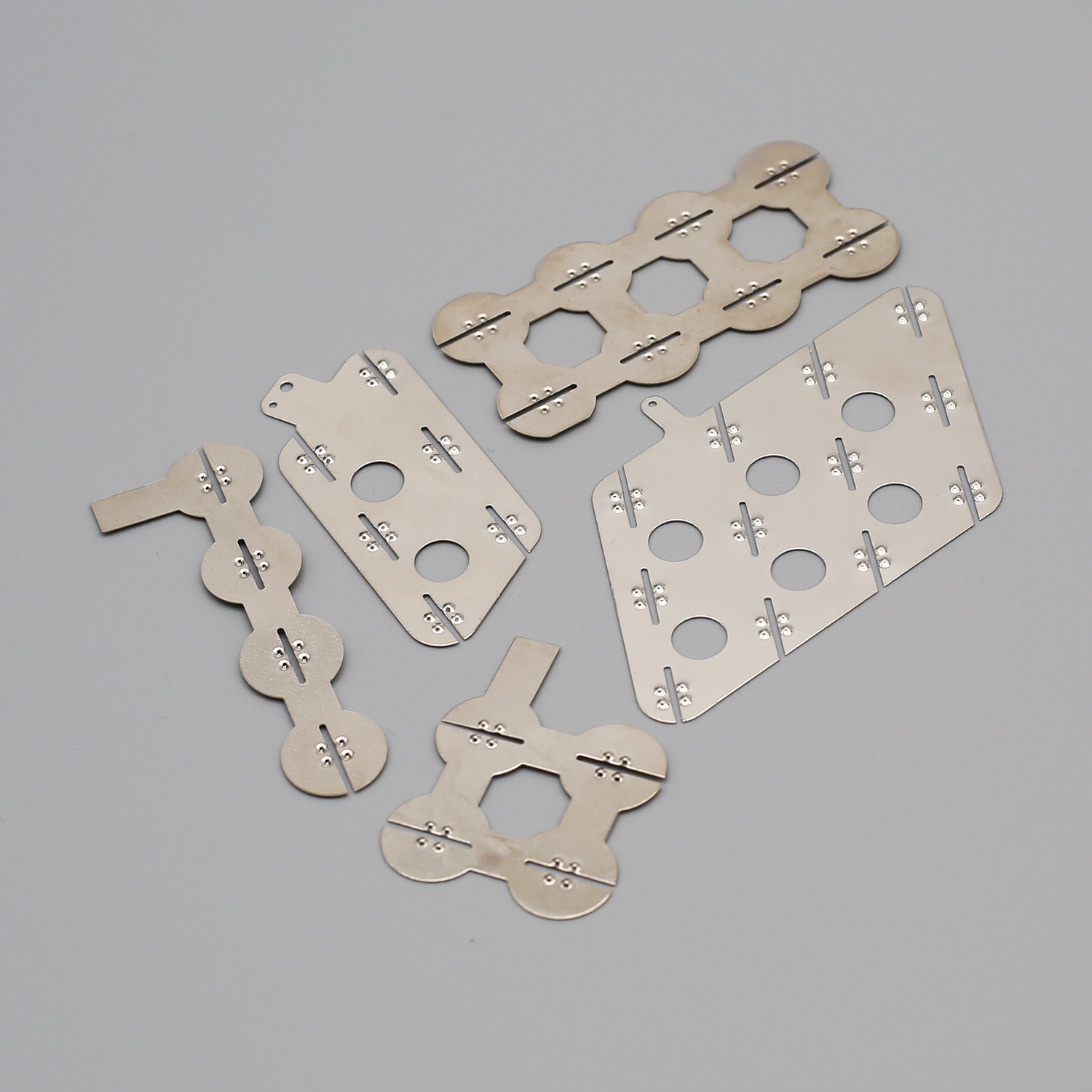
Short answer: pure nickel is the correct choice for any pack that must last, and nickel-plated steel is acceptable only where cost dominates and current per tab is low. The two are easy to confuse at a glance — and the most widely recommended way to tell them apart is wrong.
Pure nickel strip is a solid strip of nickel, commonly specified at 99.6%–99.96% purity, used for battery tabs and cell interconnects. There is no coating — the entire cross-section is nickel.
Nickel-plated steel strip is a low-carbon steel core with a thin electroplated nickel layer. The nickel is a surface finish measured in microns; the mechanical and electrical behaviour comes from the steel underneath.
| Property | Pure nickel | Nickel-plated steel |
|---|---|---|
| Resistivity | Roughly half that of low-carbon steel | Higher — the steel core dominates |
| Current capacity | Higher for the same cross-section | Lower; needs more cross-section for the same current |
| Corrosion resistance | Good; no base metal to expose | Good while the plating is intact; red rust appears at cut edges and weld spots once the steel is exposed |
| Weldability | Consistent, narrow but stable spot-welding window | Welds readily, but plating thickness variation shifts the window |
| Formability | Soft, bends easily, work-hardens | Stiffer, springier |
| Cost | Significantly higher | Much lower |
| Typical use | High-current packs, e-bikes, power tools, EV, medical, long-life products | Low-cost consumer packs, low-current products, prototypes |
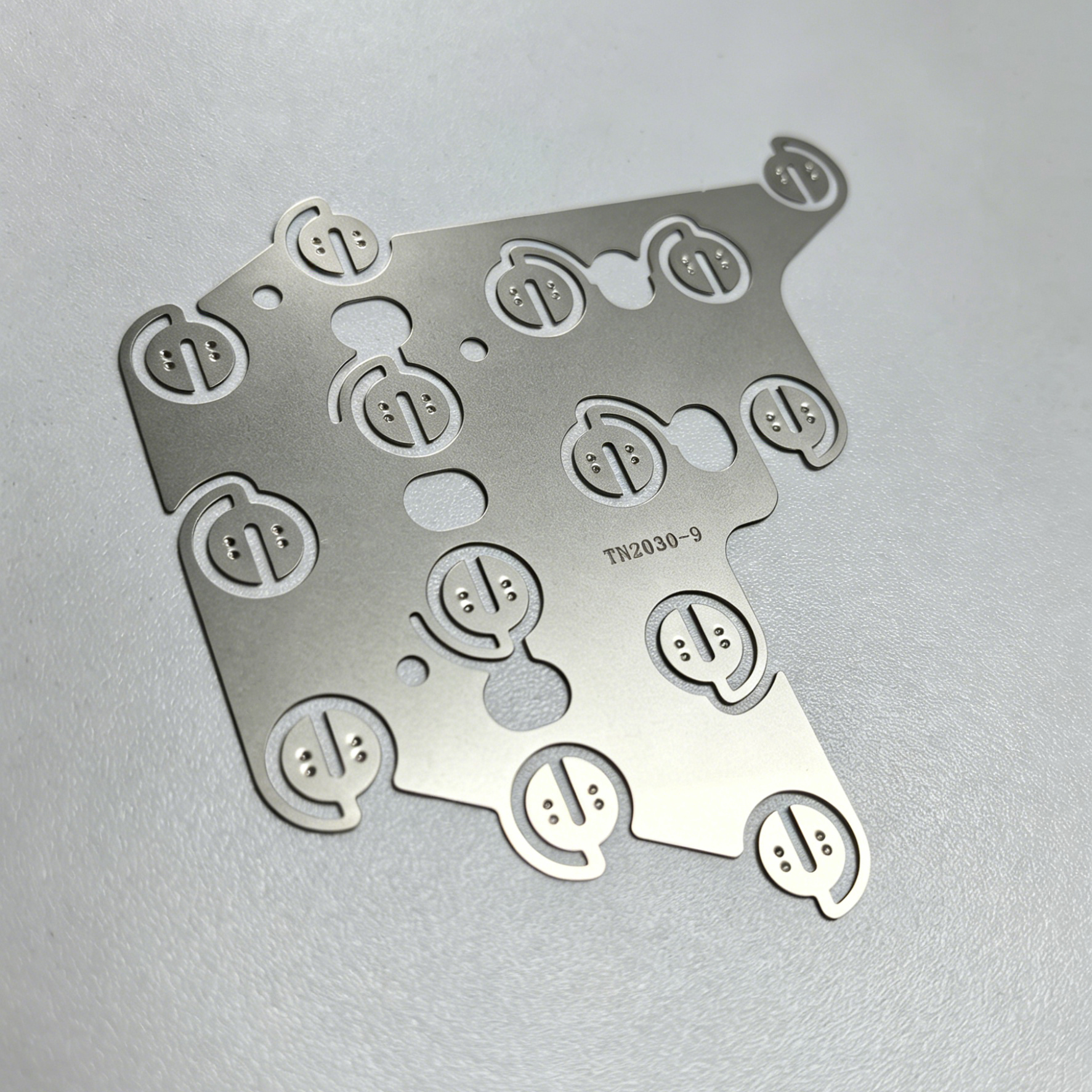 The magnet test does not work
Search any battery-building forum and you will find the same advice: "pure nickel isn't magnetic, plated steel is." This is false.
Nickel is ferromagnetic. It is one of the few naturally ferromagnetic elements, along with iron and cobalt. A magnet sticks firmly to pure nickel strip. A magnet also sticks to nickel-plated steel. The test cannot separate them — and relying on it is how builders end up with plated steel in a pack they believe is pure nickel.
1. Salt water immersion (most reliable at home)
Cut a short piece, immerse it in salt water for 24–48 hours, and inspect the cut edges and any scratched area. Nickel-plated steel shows red rust where the steel core is exposed. Pure nickel shows no red rust — at most a dull, greenish discolouration.
2. Section and file test
File or grind through the strip and look at the cross-section. Pure nickel is the same colour all the way through. Nickel-plated steel shows a bright nickel skin over a darker steel core. Under magnification the boundary is obvious.
3. Resistance measurement
Measure the resistance of a fixed length with a four-wire method (a two-wire multimeter is not accurate enough at these values). For the same width and thickness, pure nickel reads roughly half the resistance of nickel-plated steel. This test also tells you something more useful than identity: whether the strip can carry your current.
A note on the spark test: grinding pure nickel produces few sparks; steel produces a visible spark stream. It works, but it damages the sample and is less consistent than the salt water test.
Anywhere the pack will be inspected or certified against a material specification
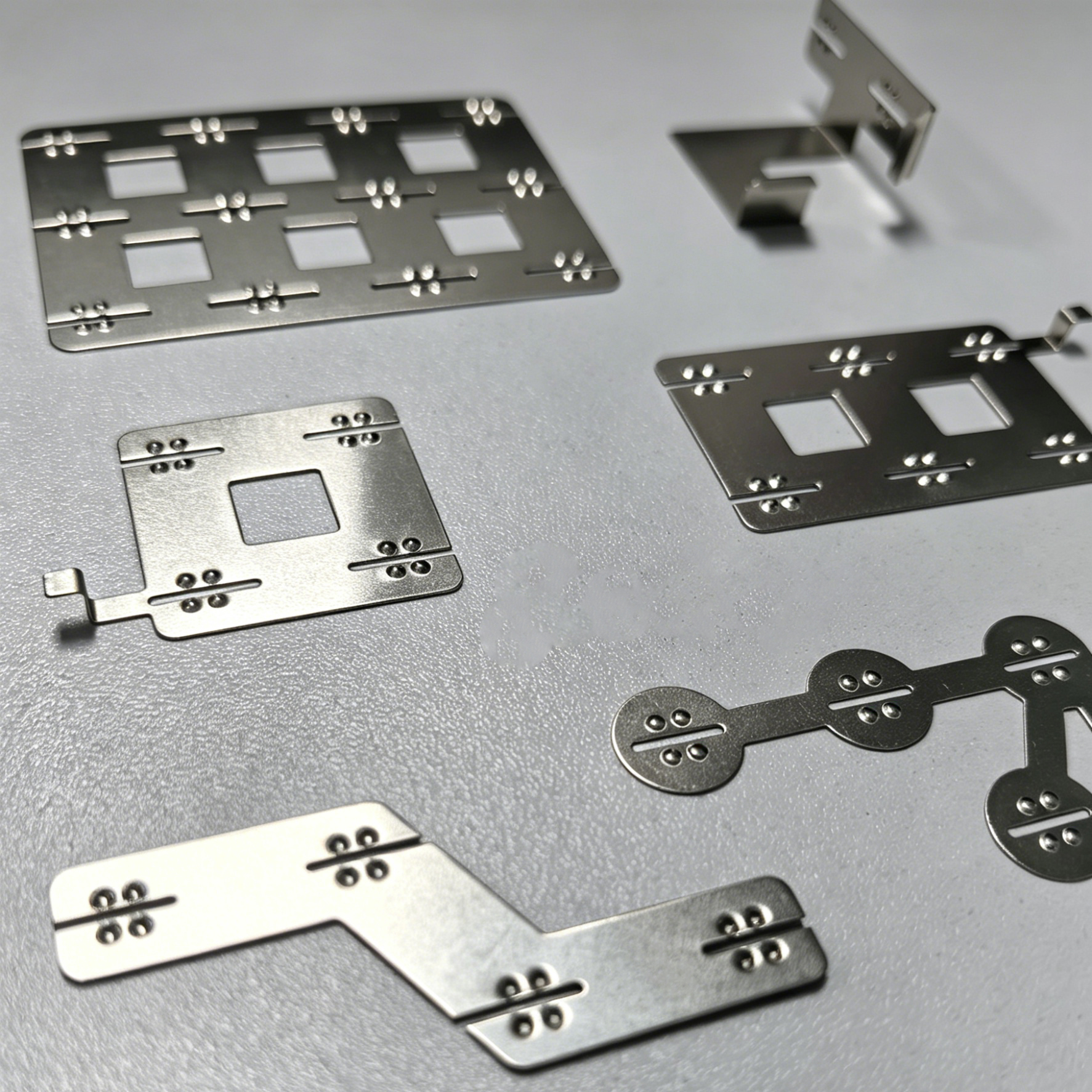
The decision is not "good versus bad" — it is whether the steel's higher resistance and exposed-core corrosion risk are acceptable in your specific duty cycle. If you cannot answer that with a temperature-rise test, use pure nickel.
Cross-section is chosen from current and acceptable temperature rise, not from a rule of thumb copied between packs. Two practical points:
Validate with a temperature-rise test at your maximum continuous current, then add margin for the peak currents your application actually sees.
BOSI supplies pure nickel strip and stamped nickel tabs for battery packs, produced on the same precision stamping lines used for terminals and battery contacts.
Capability you can rely on for a pack project:
Material grade, purity, width and delivery form are confirmed per order against the strip mill certificate, so the specification on your purchase order and the certificate on the reel are the same document.
One caution when comparing suppliers: ask for the mill certificate with the shipment, and check the stated purity against the material actually delivered. Pure nickel strip is one of the few battery materials where the price difference between 99.6% and 99.96% is large enough that substitution happens — which is exactly why the tests above matter.
Comparing nickel strip suppliers for a pack project? We will confirm material and cross-section before quoting.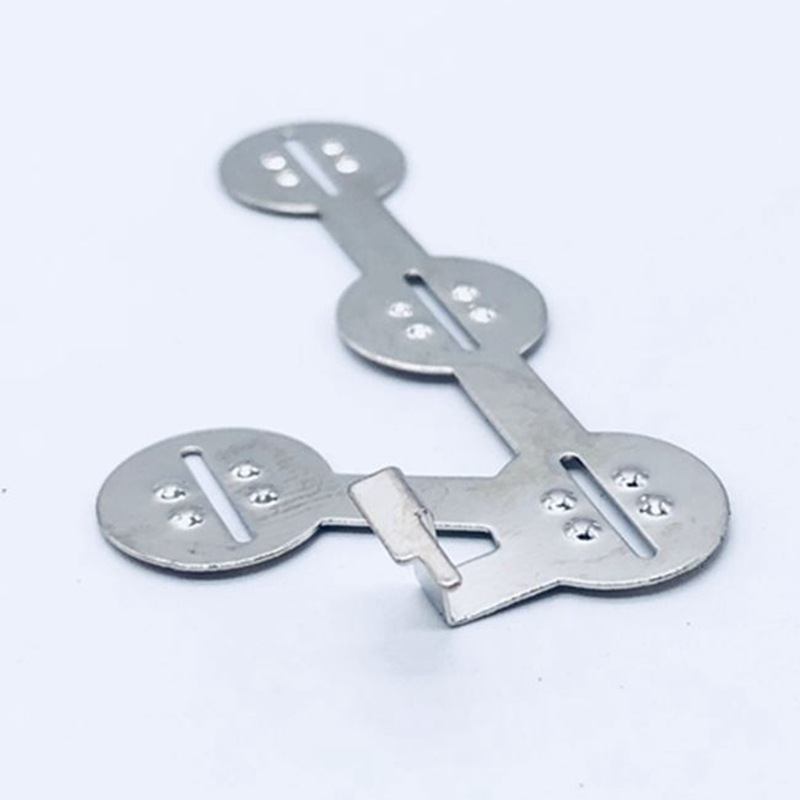


 Language
 Your location:

.jpg?x-oss-process=image/resize,m_pad,h_176,w_262)


 Official account
 0769-82928019
 E-mail
